
5 Ways Caregivers Reduce Hospital Readmissions
Hospital readmissions are a significant concern for older adults and their families because they can interrupt recovery, increase healthcare costs, and create unnecessary physical and emotional stress. Many readmissions occur not because treatment failed, but because patients struggle to manage medications, follow discharge instructions, or recognize warning signs after returning home. Skilled caregivers play a valuable role in bridging the gap between hospital care and independent living, providing the consistent support needed for a safer recovery. According to the National Council on Aging, roughly 93% of older adults have at least one chronic health condition, while nearly 80% manage multiple chronic illnesses, making ongoing assistance especially important for preventing complications after hospitalization.
1. Medication Management
One of the most effective ways to reduce hospital readmissions is by ensuring medications are taken correctly and consistently. Many patients leave the hospital with new prescriptions, adjusted dosages, or detailed medication schedules that can quickly become confusing. Even small mistakes, such as skipping doses or combining medications incorrectly, may lead to serious health complications that require another hospital visit.
Professional caregivers help establish reliable medication routines by organizing prescriptions, reminding clients when doses are due, and monitoring for missed medications. They also encourage patients to follow physicians' instructions exactly as prescribed instead of making adjustments on their own. This consistent oversight minimizes the likelihood of medication errors that commonly contribute to avoidable readmissions.
Medication management also involves watching for side effects or adverse drug interactions. Changes such as dizziness, excessive fatigue, swelling, nausea, or unusual confusion may indicate that a medication needs to be reviewed by a healthcare provider. By recognizing these symptoms early, caregivers can help families seek medical advice before the situation becomes an emergency.
Maintaining accurate medication records further improves communication among physicians, pharmacists, specialists, and family members. Updated medication lists ensure everyone involved understands the patient's treatment plan and can identify potential conflicts quickly. Better coordination often leads to more effective care and fewer preventable hospital stays.
2. Health Monitoring
Careful observation allows health concerns to be addressed before they become severe enough to require hospitalization. Recovery often involves gradual improvement, but setbacks can occur without obvious warning. Daily monitoring helps identify subtle changes that might otherwise go unnoticed until the condition worsens.
Experienced caregivers routinely observe appetite, hydration, mobility, sleep patterns, energy levels, and overall physical appearance. Even relatively minor changes may signal infections, medication complications, dehydration, or worsening chronic illnesses. Prompt reporting of these concerns allows healthcare providers to recommend treatment before hospitalization becomes necessary.
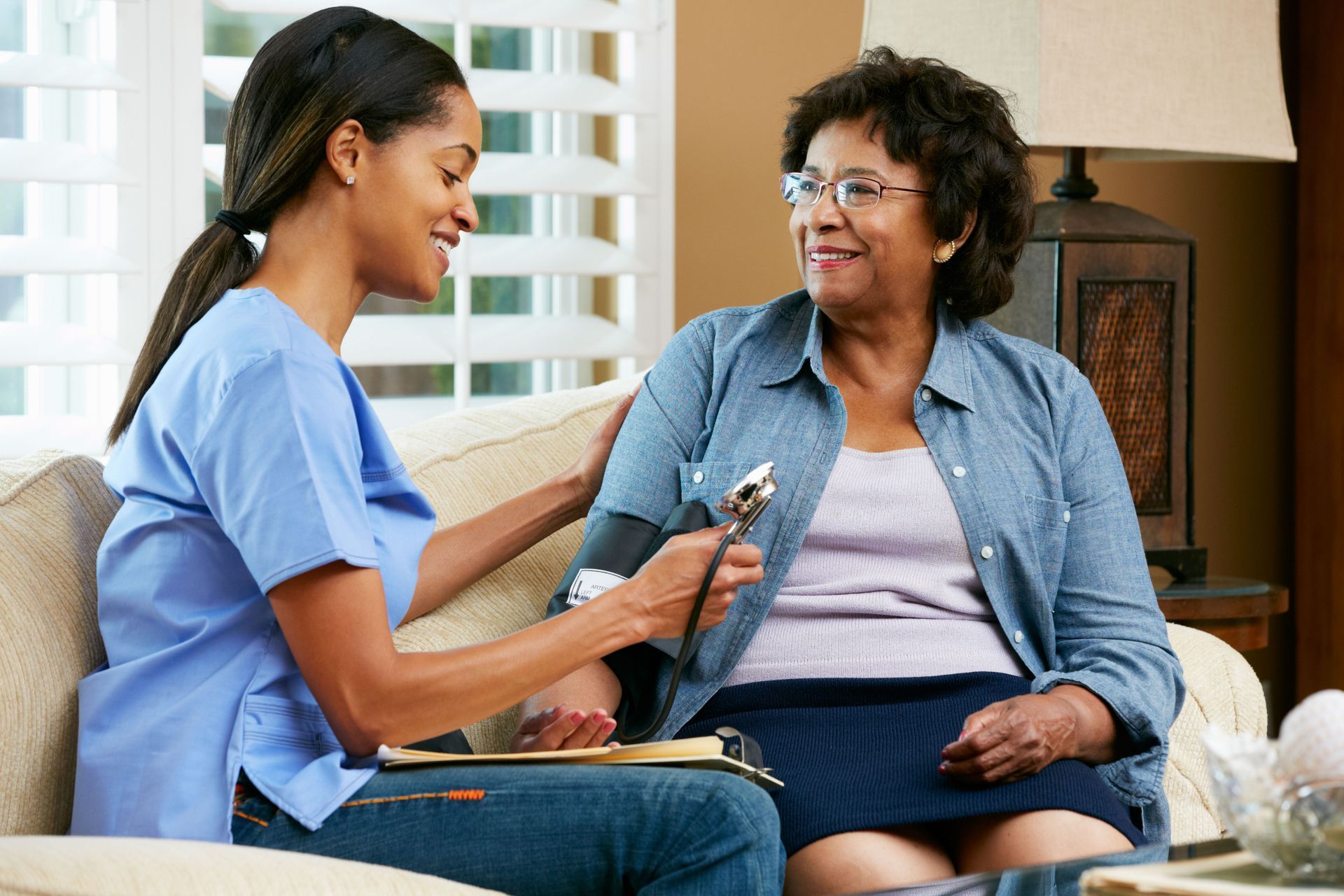
Vital signs and symptom tracking provide additional insight into a patient's recovery progress. Monitoring blood pressure, blood sugar, oxygen levels, weight, or temperature may reveal trends that deserve medical attention. Regular documentation creates a valuable record that physicians can use when adjusting treatment plans.
Ongoing health monitoring also supports better management of chronic diseases. Individuals living with heart disease, diabetes, respiratory conditions, or kidney disease often require close observation to maintain stable health. Early intervention can frequently prevent complications that would otherwise lead to emergency room visits or inpatient admissions.
3. Communication Coordination
Successful recovery depends on clear communication between patients, families, physicians, therapists, pharmacists, and other healthcare professionals. Misunderstandings about follow-up appointments, treatment instructions, or rehabilitation plans can delay recovery and increase the risk of avoidable complications. Coordinated communication helps everyone remain focused on the same healthcare goals.
Dedicated caregivers often serve as an important link between healthcare providers and families by helping relay information accurately. They can remind clients about upcoming appointments, encourage questions during medical visits, and ensure discharge instructions continue to be followed at home. This support reduces confusion and promotes greater confidence throughout the recovery process.
Attending follow-up appointments is particularly important after a hospital discharge. Physicians use these visits to evaluate healing, monitor medications, and identify potential problems before they become serious. Reliable transportation assistance and appointment reminders make it easier for patients to receive the continued medical attention they need.
Effective communication also extends to family members who may participate in care decisions. Sharing updates about changes in health, medications, or physician recommendations helps everyone provide consistent support. When everyone understands the care plan, patients are less likely to experience gaps that contribute to hospital readmissions.
4. Lifestyle Support
Recovering successfully requires more than simply following medical instructions. Healthy daily routines contribute significantly to long-term wellness and help individuals regain strength after hospitalization. Consistency in nutrition, hydration, physical activity, and personal care all influence recovery outcomes.
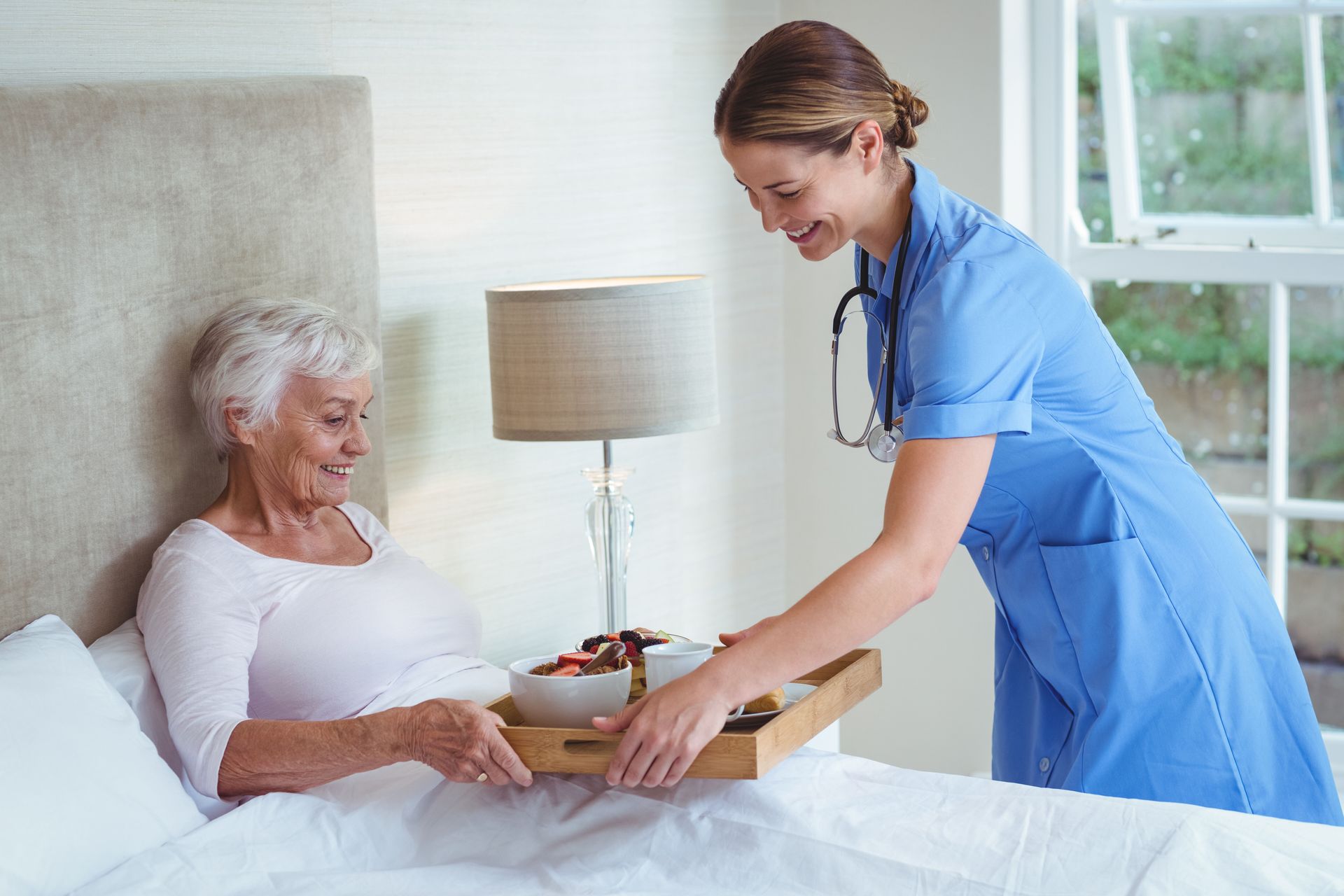
Reliable caregivers assist with preparing balanced meals that support healing while accommodating dietary restrictions for conditions such as diabetes, heart disease, or kidney disease. Proper nutrition strengthens the immune system, supports tissue repair, and provides the energy necessary for rehabilitation. Adequate hydration further reduces the risk of infections, dizziness, and other preventable complications.
Physical movement also plays an essential role in preventing readmissions. Following physician-approved exercise or therapy recommendations improves circulation, preserves muscle strength, enhances balance, and supports respiratory health. Gentle daily activity often helps patients recover more quickly while reducing the risk of falls and other setbacks.
Maintaining a safe home environment further protects recovering individuals. Caregivers may help reduce fall hazards by keeping walkways clear, improving lighting, organizing frequently used items within easy reach, and encouraging the use of assistive devices when appropriate. These practical safety measures decrease the likelihood of injuries that could result in another hospital stay.
Emotional well-being is equally important throughout recovery. Anxiety, depression, loneliness, and frustration may affect motivation to follow treatment plans or participate in rehabilitation activities. Compassionate companionship encourages patients to remain engaged in their recovery while promoting a more positive outlook.
Consistent daily routines create structure that supports both physical and mental health. Regular meal schedules, medication reminders, exercise, adequate sleep, and meaningful social interaction all contribute to improved overall wellness. When these healthy habits become part of everyday life, patients are often better equipped to maintain their health outside the hospital.
5. Recovery Education
Understanding what to expect after a hospital discharge can significantly influence recovery outcomes. Many patients receive detailed instructions before leaving the hospital, but remembering every recommendation can be difficult once they return home. Ongoing education reinforces these instructions and helps individuals make informed decisions that support healing.
Knowledgeable health care providers help explain care plans in practical ways that are easier to follow each day. They can reinforce physician recommendations regarding wound care, dietary restrictions, activity levels, and the importance of attending follow-up appointments. When patients understand why these instructions matter, they are generally more likely to remain consistent with their recovery routines.
Education also includes recognizing when medical attention is needed. Patients and families benefit from learning which symptoms require immediate emergency care and which concerns can be addressed through a phone call to a healthcare provider. This balanced approach encourages timely intervention while reducing unnecessary emergency room visits, supporting a smoother recovery and lowering the risk of preventable hospital readmissions.
Reducing hospital readmissions requires a proactive approach that addresses every aspect of recovery rather than focusing only on medical treatment. Medication management, health monitoring, communication with healthcare providers, and healthy lifestyle support work together to help individuals recover more safely at home. Professional
caregivers provide valuable consistency and personalized attention that allow concerns to be addressed early, helping patients maintain greater independence while lowering the likelihood of returning to the hospital.
At Lakeview Supported Living Services, we are committed to helping individuals recover safely while maintaining their dignity and independence at home. We provide compassionate, personalized care that supports healthier outcomes and greater peace of mind for families. Contact us today to learn how we can create a customized care plan that promotes lasting wellness and helps your loved one thrive.

Share On: